

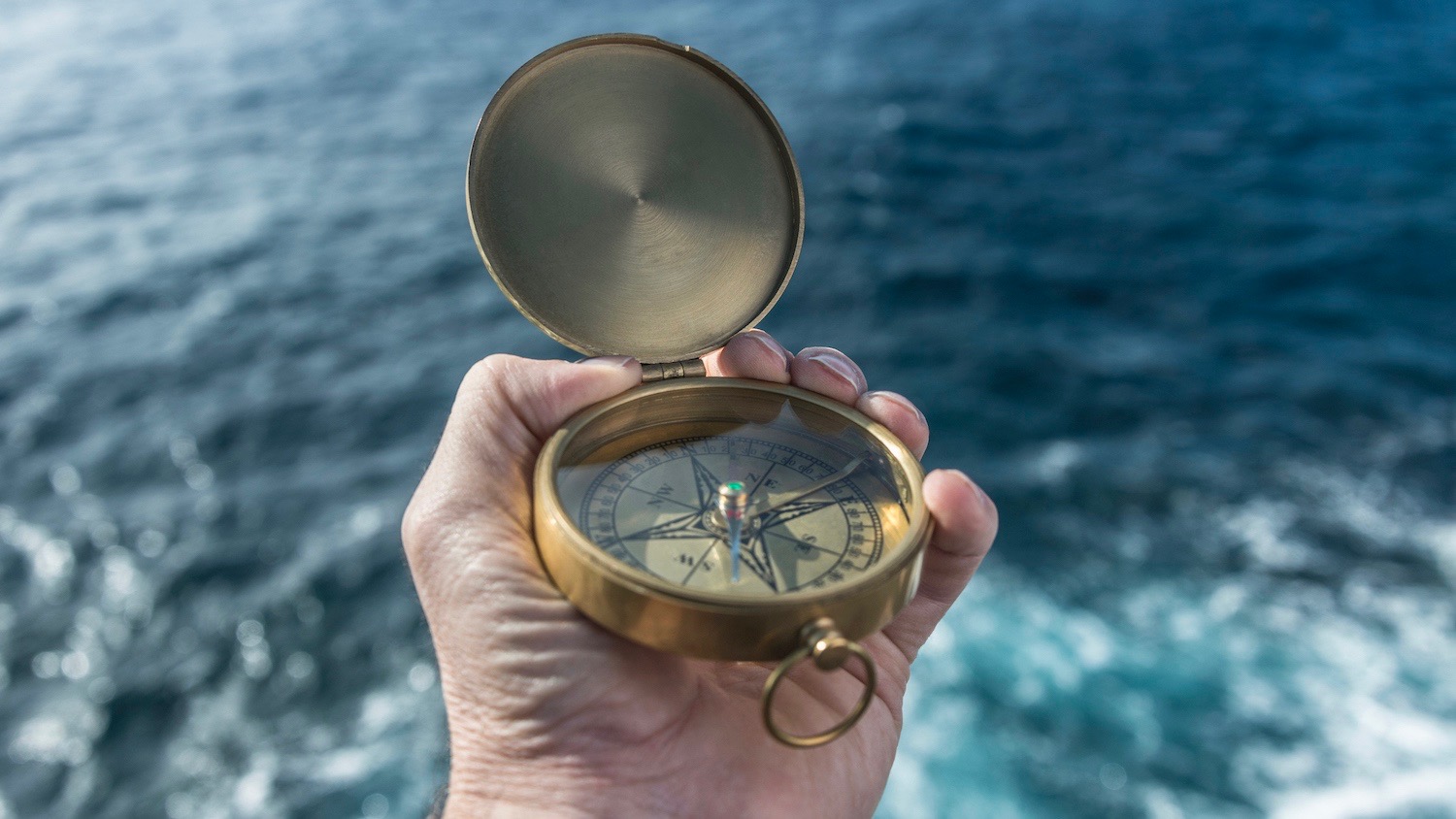
Introduction: The Artistry of Human Navigation
In a world overflowing with digital maps, AI translators, and virtual itineraries, the role of a tour guide might seem quaint, even redundant at first glance. Yet the truth is far richer. The finest tour guides are not mere reciters of facts or point-and-describe operators. They are living conduits between visitor and place—storytellers, historians, protectors of culture, and, at their best, gifted performers who transform a few stones and stories into an experience that stays with you long after you have returned home.
A Brief History: Guiding Through the Ages
Guiding as a profession is as old as travel itself. In ancient Rome, wealthy citizens embarking on grand tours of Greece or Egypt often hired local scholars to interpret ruins and myths. Medieval pilgrims paid trusted locals to steer them safely through unfamiliar towns and treacherous routes. By the time the Victorian era birthed modern tourism, formal guides were indispensable companions for Europe’s aristocrats and curious middle classes alike.
What started as practical navigation evolved into something more profound: a role that demands deep local knowledge, cultural sensitivity, and an instinct for narrative. Today, despite the proliferation of self-guided apps, the finest tour guides remain irreplaceable—bringing warmth, wit, and an insider’s understanding to the experience of travel.
The Essential Qualities of a Remarkable Tour Guide
A true guide is far more than someone who shepherds groups from site to site on schedule. The most memorable guides blend practical skills with a touch of magic.
1. Mastery of Storytelling
Facts are easy to recite. Stories are harder to craft. A gifted guide weaves dates, legends, and anecdotes into a compelling tapestry that captures a listener’s imagination. They know when to pause, when to joke, when to lean in and lower their voice so that history suddenly feels alive.
2. Deep Local Insight
It is one thing to point out landmarks. It is another to understand the heartbeat of a city—its customs, contradictions, and the small, unpolished details that never make it into brochures. The best guides offer not only information but context, making connections that an outsider would likely miss.
3. Adaptability and Empathy
Every group is different. Some crave rigorous historical detail, others want quirky trivia or moments for quiet reflection. Good guides read their audience intuitively, adjusting their pace, tone, and route to match shifting moods.
4. Guardianship of Place
Responsible guides also serve as guardians. They teach visitors to respect sacred sites, protect fragile environments, and appreciate local communities as more than backdrops for vacation photos. They ensure that tourism becomes a respectful exchange rather than an extractive transaction.
Types of Tour Guides: Specialists, Generalists, and Hidden Gems
Guides today wear many hats. Their specialities shape the experience in profound ways.
Historical Guides
These experts illuminate ancient ruins, medieval castles, and city streets steeped in the past.
-
Archaeological site guides at Pompeii or Angkor Wat
-
Museum docents who decode masterpieces layer by layer
-
City walking tour leaders who breathe life into cobblestone alleys
Nature and Adventure Guides
For the outdoors, these are the trusted navigators who know every trail and hazard.
-
National park rangers leading treks through remote wilderness
-
Safari guides who can interpret animal tracks and predict nature’s rhythms
-
Dive masters revealing coral kingdoms hidden beneath turquoise waves
Cultural and Culinary Guides
Some guides specialize in the living pulse of local life.
-
Street food guides who help visitors navigate bustling night markets
-
Art and architecture experts unveiling hidden ateliers or iconic buildings
-
Community guides connecting guests to local artisans, musicians, or elders
The Unseen Challenges of Guiding
A great tour can feel effortless to the guest, but behind the scenes, guiding is physically and emotionally demanding.
-
Long hours on foot in unpredictable weather
-
Juggling tight schedules, transport delays, and varying guest expectations
-
Managing group dynamics and solving problems discreetly
-
Carrying the weight of being a cultural ambassador whose missteps can shape perceptions of an entire place
How to Choose an Excellent Guide
Not all guides are created equal, and a little care in choosing can mean the difference between an uninspired checklist and an unforgettable journey. Look for:
-
Local Credentials: Certified or licensed guides have usually undergone rigorous training.
-
Reviews and Word of Mouth: Personal recommendations often reveal a guide’s warmth and passion better than official websites.
-
Specialisation: Seek guides whose niche matches your interests—history buffs, foodies, art lovers.
-
Group Size: Small groups or private tours allow for deeper interaction and flexibility.
The Future of Guiding: Adapting in a Digital Age
Far from disappearing in the wake of technology, guiding has embraced it. Many modern guides use tablets, augmented reality, or audio devices to enrich storytelling. Some run virtual tours, allowing guests to explore distant cities from their living rooms—though the live experience remains irreplaceable. Sustainability is also reshaping the profession. More guides now champion off-the-beaten-path itineraries that disperse crowds and uplift overlooked communities.
When the Guide Becomes the Memory
Years later, travelers often struggle to recall every date or detail they learned on tour. But they remember the human connection—a guide’s humor, the warmth of an unscripted conversation, the hush that fell as they recounted a tragic moment in a centuries-old square.
A good guide gives you facts; a great guide gives you a sense of belonging to the place, even if only for a few hours. In that moment, they become not just interpreters of geography but companions in the most meaningful sense—bridging the space between you and the unfamiliar.
Conclusion: The Enduring Compass
Long after artificial intelligence and smart maps have reshaped how we navigate the globe, the best tour guides will remain essential. They are the keepers of oral history, the warm hearts of local communities, the first friends we make when we arrive somewhere new and uncertain.
So next time you step off a plane, remember this: sometimes the true treasure is not the landmark itself but the person who helps you see it as more than stone and story. A tour guide, at their best, is a human compass—one who orients you not just to a place on a map, but to the soul of a destination waiting to be felt, heard, and remembered.

Comments are closed.