

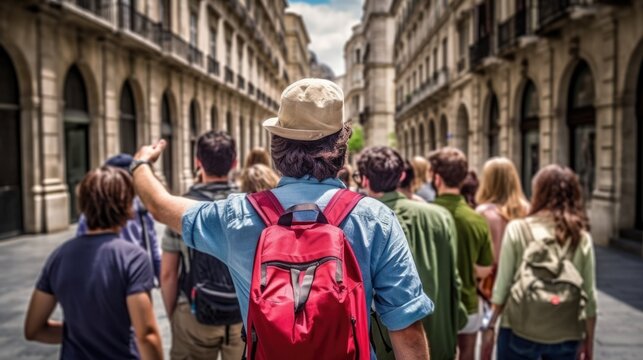
In the realm of travel, where destinations are often measured by their landmarks, landscapes, or cultural heritage, the role of the tour guide emerges as a subtle yet profoundly transformative force. A tour guide is far more than a walking encyclopedia or a mere logistics manager. They are storytellers, cultural ambassadors, and facilitators of experience, bridging the gap between the unfamiliar and the familiar, the foreign and the personal. The art of guiding is a refined craft that blends knowledge, empathy, and charisma to create journeys that resonate long after the trip has ended.
At its essence, the profession of a tour guide is about connection. Tourists arrive in new places eager to learn and explore but often face a bewildering array of sights, sounds, and customs. The tour guide serves as a trusted navigator, translating history into narratives, landmarks into symbols, and traditions into living experiences. This requires more than rote memorization of facts; it demands a deep understanding of the locale’s history, culture, and people, combined with the ability to engage diverse audiences with warmth and authenticity.
The successful tour guide is, first and foremost, a storyteller. Stories are the threads that weave facts into meaning. Rather than reciting dry historical dates or architectural details, a skilled guide breathes life into the past through anecdotes, legends, and personal insights. They craft a narrative that captures the imagination, inviting travelers to see beyond the surface and feel the pulse of a place. This storytelling prowess transforms a visit into an immersive experience, where each stone, street, or artifact becomes a portal to human drama, creativity, and resilience.
Beyond storytelling, a tour guide’s role is intrinsically social. They manage groups of strangers who vary in age, background, interests, and expectations. The ability to read a room, adjust tone and pace, and foster camaraderie is indispensable. A guide’s demeanor often sets the emotional tone of the tour—whether relaxed and jovial or contemplative and respectful. The social intelligence to diffuse tension, answer spontaneous questions, and accommodate individual needs elevates the tour from a simple itinerary to a shared adventure.
Moreover, the ethical dimension of guiding is crucial. Tour guides often act as cultural intermediaries, representing not just a location but its people and heritage. This responsibility entails sensitivity to cultural nuances and respect for local customs and traditions. Ethical guiding means avoiding stereotypes, correcting misconceptions, and promoting sustainable tourism practices that protect the environment and empower local communities. In an era when tourism’s impact is under scrutiny, tour guides are pivotal advocates for responsible travel that honors the dignity of both visitors and hosts.
The modern tour guide must also embrace adaptability and technological fluency. In a world where information is at everyone’s fingertips, the guide’s role has evolved from gatekeeper of knowledge to curator and interpreter. Integrating technology—whether through audio guides, virtual reality, or social media—can enhance the visitor experience when used thoughtfully. Yet, nothing replaces the nuanced human interaction that a live guide provides: the spontaneity, humor, and emotional connection that machines cannot replicate.
Training and expertise underpin the professionalism of a good tour guide. Many countries have formal certification programs requiring guides to study history, geography, languages, first aid, and public speaking. This rigorous preparation ensures that guides can handle diverse scenarios with confidence and competence. Lifelong learning is also a hallmark of excellence, as guides continually deepen their understanding of their regions and refine their craft to keep tours fresh and engaging.
The personal qualities that define an exceptional tour guide are equally important. Curiosity, enthusiasm, patience, and a genuine passion for people and places make a guide memorable. The best guides do not simply deliver information; they inspire curiosity and invite travelers to see the world through new perspectives. Their enthusiasm is contagious, turning even a familiar landmark into an exciting discovery. Patience ensures that every traveler’s question is welcomed, and every moment of wonder is nurtured.
Tour guides also serve as problem-solvers and peacekeepers. Travel, by its very nature, involves uncertainties—delays, weather changes, language barriers, or unexpected detours. A guide’s calm demeanor and resourcefulness are essential in navigating these challenges, ensuring that the group’s experience remains smooth and enjoyable. Their ability to think on their feet, communicate clearly, and make quick decisions often determines the success of a tour.
In the grand tapestry of tourism, the tour guide is the thread that weaves disparate elements into a cohesive and meaningful whole. From bustling urban centers to remote villages, from ancient ruins to vibrant marketplaces, guides reveal the soul of a destination. They turn passive sightseeing into active engagement, transforming travelers into participants in a story that spans time and culture.
As tourism continues to evolve in a globalized world, the role of the tour guide remains indispensable. Their work fosters understanding, breaks down cultural barriers, and creates memories that enrich lives. For travelers seeking not just to visit but to truly experience, the presence of a skilled, compassionate guide elevates the journey to something extraordinary.
Ultimately, a tour guide’s greatest gift is the ability to awaken the traveler’s sense of wonder and empathy. In guiding others through the wonders of the world, they also guide them toward a deeper appreciation of humanity’s shared heritage and the beauty of discovery. The art and craft of the tour guide is, therefore, a vital thread in the fabric of travel—one that continues to inspire, educate, and connect us all.

Comments are closed.