

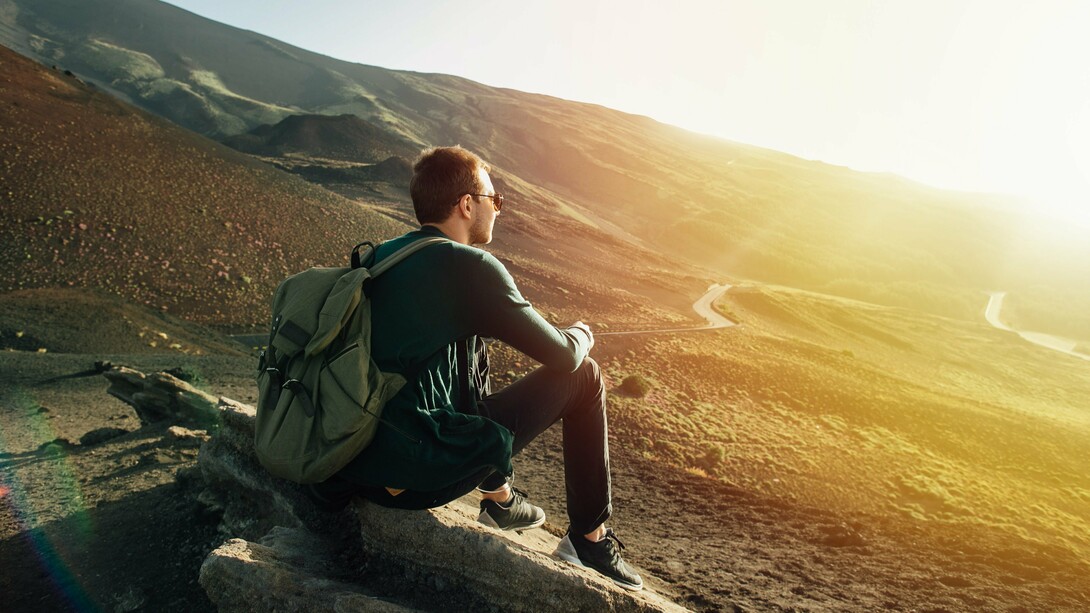
Travel is more than movement across borders. It is an experience that quietly reshapes beliefs, challenges assumptions, and expands understanding. When people step outside familiar routines and environments, they begin to see the world—and themselves—from a broader perspective.
The changes travel brings are often subtle, but they leave a lasting imprint on how we think, connect, and live.
Exposure to Different Cultures Broadens Perspective
One of the most powerful ways travel changes perception is through direct cultural exposure. Reading about other cultures is informative, but experiencing them firsthand creates understanding that cannot be replicated.
Through travel, people encounter:
- Different social norms and traditions
- New ways of communicating and expressing respect
- Alternative lifestyles and values
These encounters reduce stereotypes and replace assumptions with real human stories.
Travel Builds Empathy and Understanding
Seeing how people live in different parts of the world fosters empathy. Travelers witness realities that differ from their own—sometimes simpler, sometimes more complex.
This exposure often leads to:
- Greater compassion for diverse experiences
- Awareness of global inequalities
- Appreciation for shared human emotions
Understanding grows when differences are seen not as barriers, but as expressions of humanity.
Personal Comfort Zones Are Redefined
Travel pushes people beyond routines and habits. Navigating unfamiliar languages, transportation systems, or customs builds confidence and adaptability.
As comfort zones expand, travelers often gain:
- Increased self-reliance
- Better problem-solving skills
- Confidence in unfamiliar situations
What once felt intimidating becomes manageable, changing how challenges are approached back home.
The World Feels More Connected
Travel highlights how interconnected the world truly is. Despite differences in language or culture, many values remain universal.
Common connections travelers notice include:
- Family bonds
- Hospitality and kindness
- Shared hopes and struggles
These realizations make the world feel smaller and more relatable.
Travel Challenges Personal Assumptions
Many beliefs are shaped by environment, media, and upbringing. Travel tests those beliefs against reality.
Common shifts include:
- Rethinking what “normal” means
- Questioning material priorities
- Recognizing multiple ways to live a fulfilling life
These mental shifts encourage open-mindedness and curiosity rather than judgment.
Appreciation for Home Deepens
Ironically, travel often strengthens appreciation for home. Distance offers clarity.
Travelers may return with:
- Gratitude for everyday conveniences
- New appreciation for familiar relationships
- Fresh perspectives on personal culture
Home feels different—not because it changed, but because the traveler did.
A Greater Sense of Global Responsibility Emerges
Seeing environmental challenges, cultural preservation efforts, and social inequalities firsthand often inspires responsibility.
Travel can spark:
- Interest in sustainable living
- Support for ethical tourism
- Desire to contribute positively to communities
Awareness leads to conscious choices that extend beyond travel itself.
Why Travel Has a Lasting Impact
Travel changes the way people see the world because it engages emotion, experience, and reflection all at once. It replaces distant ideas with lived moments and transforms unfamiliar places into meaningful memories.
The impact does not end when the trip does. It continues shaping decisions, values, and outlook long after returning home.
Frequently Asked Questions (FAQ)
1. Does travel always change a person’s perspective?
Not automatically. Reflection and openness are key to meaningful change.
2. Can short trips have the same impact as long journeys?
Yes. Even brief travel experiences can shift perspective when deeply experienced.
3. Is cultural shock a negative part of travel?
Not necessarily. It often leads to learning, growth, and adaptation.
4. How does travel influence personal values?
Exposure to different lifestyles can reshape priorities and definitions of success.
5. Can travel help reduce prejudice?
Direct interaction with diverse cultures often replaces bias with understanding.
6. Does travel change how people see global issues?
Yes. Seeing challenges firsthand makes global issues feel more real and urgent.
7. How can travelers maintain perspective after returning home?
Reflection, journaling, and applying lessons learned help sustain travel’s impact.
Travel changes the way you see the world by reminding you that no single viewpoint defines reality. Each journey adds a layer of understanding, making the world feel richer, more complex, and deeply connected.

Comments are closed.