

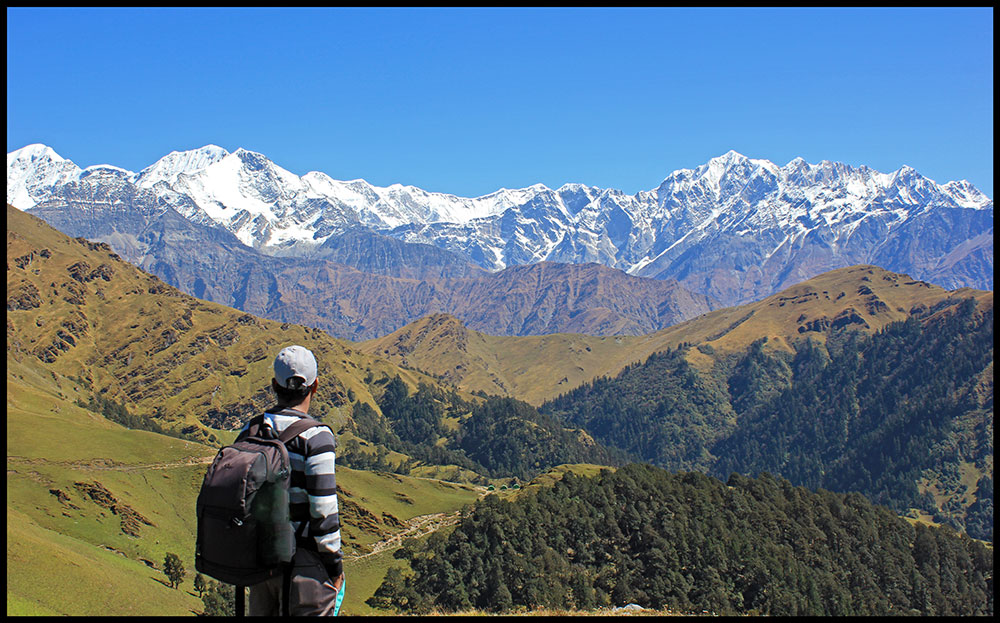
Solo adventure travel has grown from a niche pursuit into a defining travel trend. More people are choosing to explore unfamiliar places alone, driven by curiosity, independence, and the desire for deeper personal experiences. Traveling solo can be profoundly rewarding, but it also comes with real risks that demand awareness and preparation.
Understanding both sides helps travelers make informed choices and turn solo journeys into life-changing experiences.
What Is Solo Adventure Travel?
Solo adventure travel involves journeying alone, often to destinations that emphasize exploration, culture, nature, or physical challenges. Unlike group tours, solo trips place decision-making, problem-solving, and safety entirely in the traveler’s hands.
This style of travel often includes:
- Independent itineraries
- Immersion in local cultures
- Outdoor or off-the-beaten-path experiences
- Flexible schedules shaped by personal interests
The Rewards of Traveling Solo
Deep Personal Growth
One of the greatest rewards of solo adventure travel is self-discovery. Without familiar companions, travelers are pushed to rely on their instincts and judgment.
Key benefits include:
- Stronger confidence and independence
- Improved problem-solving skills
- Greater emotional resilience
- A clearer understanding of personal values
Complete Freedom and Flexibility
Solo travelers enjoy unmatched control over their journeys. There is no need to compromise on destinations, pace, or activities.
You decide:
- When to wake up or rest
- Where to go next
- How long to stay in one place
This flexibility often leads to spontaneous experiences that group travel rarely allows.
Authentic Cultural Connections
Traveling alone encourages interaction. Without a companion to rely on, solo travelers are more likely to engage with locals and fellow travelers.
These interactions can result in:
- Meaningful conversations
- Cultural insights beyond guidebooks
- Unexpected friendships across borders
Mental Clarity and Reflection
Time spent alone on the road often brings mental clarity. Many solo travelers describe a sense of calm that comes from distancing themselves from daily routines and digital noise.
Moments of solitude can inspire:
- Creative thinking
- Emotional healing
- Long-term life decisions
The Risks of Solo Adventure Travel
Personal Safety Concerns
Safety is the most discussed risk of traveling alone. Without companions, travelers may feel more vulnerable in unfamiliar environments.
Common concerns include:
- Theft or scams
- Getting lost in remote areas
- Harassment or unwanted attention
While risks exist, many can be reduced through preparation and situational awareness.
Loneliness and Emotional Challenges
Not every moment of solo travel feels empowering. Extended periods alone can sometimes lead to loneliness or homesickness, especially during long trips.
This emotional side is often overlooked but deserves attention.
Health and Emergency Situations
Handling illness or injury alone can be challenging. From minor sickness to serious accidents, solo travelers must be ready to act independently.
Potential challenges include:
- Limited access to medical care
- Language barriers during emergencies
- Delayed assistance in remote locations
Planning Pressure and Responsibility
Every decision—from transportation to accommodation—rests on one person. This responsibility can feel overwhelming, especially in high-stress situations.
How to Reduce Risks While Traveling Solo
Preparation transforms risk into manageable challenges. Thoughtful planning can significantly improve both safety and confidence.
Practical Safety Strategies
- Research destinations thoroughly before arrival
- Share itineraries with trusted contacts
- Keep digital and physical copies of important documents
- Trust instincts and avoid unsafe situations
Smart Travel Habits
- Choose accommodations with strong reviews
- Learn basic local phrases
- Stay aware of surroundings, especially at night
- Avoid oversharing personal details with strangers
Mental and Emotional Preparation
Solo travel is as much a mental journey as a physical one. Setting realistic expectations helps travelers navigate both highs and lows.
Practices that help include:
- Journaling
- Setting personal boundaries
- Taking rest days when needed
Is Solo Adventure Travel Worth It?
For many travelers, the rewards far outweigh the risks. Solo adventure travel offers freedom, growth, and unforgettable memories that are difficult to replicate in other travel styles.
It is not about eliminating risk entirely, but about learning to manage uncertainty with confidence and curiosity.
Those who approach solo travel thoughtfully often return home with more than photos—they gain perspective, resilience, and a deeper understanding of themselves.
Frequently Asked Questions (FAQ)
1. Is solo adventure travel suitable for first-time travelers?
Yes, with proper planning and choosing beginner-friendly destinations, first-time travelers can safely enjoy solo adventures.
2. How can solo travelers meet people on the road?
Staying in social accommodations, joining local tours, and participating in activities make it easier to connect with others.
3. What destinations are best for solo adventure travel?
Countries with strong tourism infrastructure, reliable transportation, and welcoming cultures are ideal for solo travelers.
4. How much planning is too much when traveling alone?
Planning essentials is important, but leaving room for flexibility allows spontaneous and rewarding experiences.
5. Can solo travel be budget-friendly?
Yes. Solo travelers can control expenses by choosing affordable lodging, local transport, and flexible itineraries.
6. How do solo travelers handle fear or anxiety?
Fear is normal. Building confidence through research, preparation, and small challenges helps reduce anxiety over time.
7. What skills are most useful for solo adventure travel?
Adaptability, communication, situational awareness, and basic problem-solving skills are especially valuable.
Solo adventure travel is not just a journey across places—it is a journey inward. With awareness, preparation, and an open mind, it can become one of the most rewarding experiences a traveler ever undertakes.

Comments are closed.