

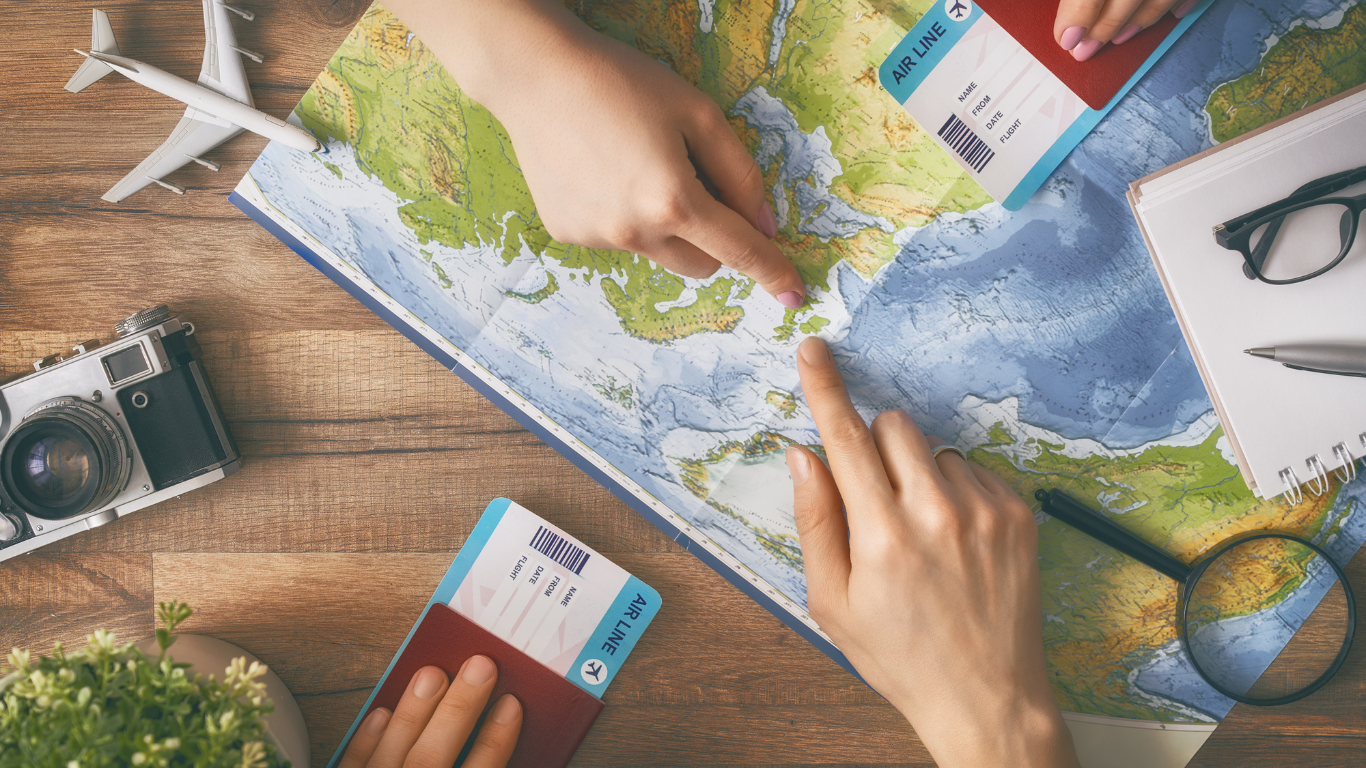
Travel should feel exciting, not overwhelming. Yet, poor planning often leads to rushed schedules, missed experiences, and unnecessary anxiety. Thoughtful destination planning helps travelers stay organized, confident, and relaxed from the moment they choose a location to the day they return home.
With the right approach, planning becomes a tool for freedom rather than pressure.
Start With Clear Travel Goals
Before researching flights or hotels, define the purpose of your trip. Knowing why you are traveling shapes every planning decision.
Ask yourself:
- Is this trip for relaxation, adventure, culture, or work?
- Do you prefer a fast-paced itinerary or slow exploration?
- Are you traveling solo, with family, or as a couple?
Clear goals prevent overpacking schedules and help you focus on experiences that truly matter.
Research the Destination Thoroughly
Understanding your destination reduces surprises and builds confidence.
Key Areas to Research
- Best time to visit based on weather and crowds
- Local customs, etiquette, and cultural norms
- Transportation options and travel distances
- Safety considerations and common tourist mistakes
This preparation helps travelers avoid stress caused by unrealistic expectations.
Build a Flexible Itinerary
An effective itinerary balances structure with spontaneity. Overplanning often creates pressure, while underplanning can lead to wasted time.
Smart Itinerary Planning Tips
- Plan one or two main activities per day
- Group attractions by location to reduce travel time
- Schedule free time for rest or exploration
- Prioritize must-see experiences early in the trip
Flexibility allows room for unexpected discoveries without feeling rushed.
Set a Realistic Travel Budget
Financial stress is one of the most common travel concerns. Establishing a realistic budget early prevents unpleasant surprises.
Include costs for:
- Transportation and accommodations
- Meals and daily expenses
- Activities and entrance fees
- Emergency funds
Tracking expenses during planning makes spending decisions clearer and more controlled.
Book Accommodations Strategically
Where you stay has a major impact on comfort and convenience.
When choosing accommodations, consider:
- Proximity to attractions or public transportation
- Guest reviews and cleanliness standards
- Check-in flexibility and cancellation policies
A well-located stay reduces daily logistics and saves time and energy.
Organize Travel Documents in Advance
Missing or disorganized documents can derail an entire trip.
Essential Items to Prepare
- Passport and visas, if required
- Travel insurance details
- Flight, hotel, and transport confirmations
- Digital and printed copies of important documents
Keeping everything accessible provides peace of mind throughout the journey.
Pack With Intention, Not Emotion
Overpacking adds unnecessary stress. Packing intentionally keeps travel smooth and manageable.
Helpful packing strategies include:
- Creating a checklist based on activities
- Choosing versatile clothing items
- Limiting “just in case” items
- Packing essentials in carry-on luggage
Traveling lighter makes transitions easier and reduces decision fatigue.
Prepare for the Unexpected
No trip goes exactly as planned. Preparing for disruptions helps travelers stay calm when challenges arise.
Preparation ideas:
- Build buffer time into travel days
- Save emergency contacts offline
- Understand local healthcare options
- Keep a flexible mindset
Stress-free travel is less about avoiding problems and more about handling them calmly.
Why Destination Planning Reduces Travel Stress
Good planning removes uncertainty. When logistics are organized, travelers can focus on enjoying experiences instead of managing problems.
Benefits of effective planning include:
- Greater confidence
- Better time management
- Reduced anxiety
- More meaningful travel moments
Planning well does not eliminate spontaneity—it supports it.
Frequently Asked Questions (FAQ)
1. How far in advance should destination planning begin?
Ideally, planning starts several months ahead for international trips and a few weeks ahead for domestic travel.
2. Is it better to plan everything or leave room for spontaneity?
A balance is best. Plan essentials early and leave space for unplanned experiences.
3. How can travelers avoid burnout during trips?
Scheduling rest days and avoiding overly packed itineraries helps maintain energy and enjoyment.
4. What tools help with stress-free travel planning?
Travel apps, digital checklists, and shared itineraries make organization easier and more efficient.
5. How do travelers handle travel delays calmly?
Allow buffer time, stay informed, and keep alternative options ready when possible.
6. Should travelers plan meals in advance?
Researching food options helps, but leaving flexibility allows for local discoveries.
7. How can planning improve the overall travel experience?
Thoughtful planning minimizes uncertainty, allowing travelers to be present and fully enjoy each moment.
Stress-free travel begins long before departure. With clear goals, flexible plans, and organized preparation, destination planning becomes the foundation for a smoother, more enjoyable journey—one where experiences take center stage and stress fades into the background.

Comments are closed.