

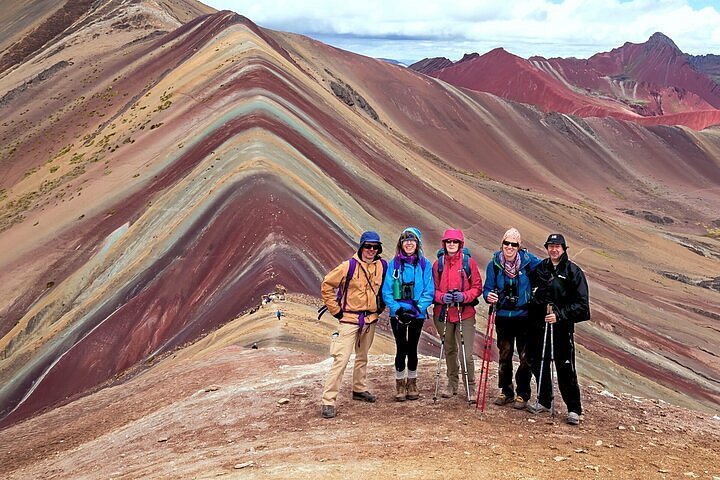
Stepping off an airplane into the Andes delivers an immediate physical reckoning. In Bogota, the doors open to cool, thin air that feels deceptively crisp. In Cusco, the sensation is more abrupt: a sudden tightness across the chest, a fluttering pulse, and the disorienting feeling that taking a full breath requires conscious effort.
South America’s Andean highlands host some of the world’s most captivating urban centers and archaeological wonders. Yet travelers routinely underestimate the biological toll of arriving at extreme elevation. Known locally as soroche in the Quechua-influenced regions of Peru and Colombia, acute altitude sickness has a way of leveling the fittest marathon runners while sparing sedentary travelers. It does not discriminate based on physical conditioning, age, or gym habits.
Navigating high elevations in Bogota and Cusco requires understanding the physics of mountain atmospheres, designing itineraries that work with human physiology rather than against it, and distinguishing between manageable discomfort and genuine medical emergencies.
The Physics of Thin Air: What Actually Happens to Your Body
A common misconception is that mountain air contains a lower percentage of oxygen than sea-level air. In reality, the atmosphere remains roughly twenty-one percent oxygen whether you stand on a beach in Miami or atop Mount Everest. What changes dramatically is barometric pressure.
At higher elevations, the column of air pressing down on the Earth is significantly lighter. Because the atmospheric pressure drops, air molecules scatter. Each breath draws in fewer total gas molecules, resulting in hypobaric hypoxia—a state where less oxygen transfers across the lung membranes and into the bloodstream.
Your body mounts an immediate defense against this sudden deficit:
-
Your resting respiratory rate increases, causing you to exhale greater volumes of carbon dioxide.
-
The reduction in carbon dioxide alters blood pH, turning your system temporarily alkaline and triggering kidneys to excrete bicarbonate through frequent urination.
-
Your heart beats faster to circulate oxygenated blood to essential organs, raising your baseline pulse even while you sleep.
-
You lose fluids at an accelerated pace through both increased breathing and rapid fluid excretion, creating rapid dehydration before you even begin to exert yourself.
The most common consequence is Acute Mountain Sickness (AMS). It behaves remarkably like an unearned hangover: a dull, throbbing headache centered behind the eyes or temples, accompanied by nausea, loss of appetite, restless sleep, and bone-deep fatigue. Recognizing these physiological mechanics is the first step toward preventing them.
The Tale of Two Elevations: Bogota vs. Cusco
While travelers often bundle Andean destinations together, Bogota and Cusco represent two fundamentally different altitude profiles. Treating them with an identical travel strategy is a frequent planning error.
Bogota (8,660 Feet): The Sneaky Plateau
Colombia’s high-altitude capital sits on a massive savanna in the Eastern Cordillera at roughly 8,660 feet above sea level. This elevation places Bogota right at the threshold where altitude sickness typically begins to manifest.
Because Bogota is an ultra-modern, sprawling metropolis of eight million people, many visitors forget they are standing higher than most ski resorts in the American West. You will not usually experience immediate disorientation upon landing at El Dorado International Airport, but the altitude exerts a slow, cumulative drain.
The real danger in Bogota lies in rapid internal elevation gains. The city center sits at 8,660 feet, but popular landmarks like Monserrate Sanctuary sit perched at 10,340 feet. Walking up the steep trails of the historic La Candelaria district or taking the funicular up Monserrate on your first afternoon forces an abrupt two-thousand-foot jump that turns a mild headache into acute nausea and dizziness.
Cusco (11,152 Feet): The Direct Shock
Cusco presents an entirely different order of magnitude. Perched at 11,152 feet, Peru’s historic imperial capital sits deep inside the danger zone for acute mountain sickness.
Nearly all international travelers arrive in Cusco via a domestic flight from Lima, which sits at sea level. Vaulting from sea level to over eleven thousand feet in an eighty-minute flight is a violent shock to human physiology. Within three hours of touchdown at Alejandro Velasco Astete Airport, oxygen saturation in an unacclimated person can plummet from ninety-eight percent down into the low eighties.
To compound the challenge, Cusco is built on steep, cobblestone-paved hillsides. Navigating the picturesque alleys of San Blas feels like climbing a stadium staircase with a weighted vest.
A critical planning detail that shocks many travelers: Machu Picchu is substantially lower than Cusco. The ancient citadel sits at roughly 7,970 feet, while the surrounding Sacred Valley averages around 9,000 feet. Cusco is not the climax of your altitude exposure; it is the most extreme elevation you will face on the standard tourist circuit.
Strategic Route Planning: Designing an Altitude-Smart Itinerary
The single most effective defense against altitude sickness is intelligent calendar management. No medication or supplement compares to the prophylactic power of slow, deliberate geographical ascent.
The Sacred Valley Bypass for Peru
If your itinerary centers on Cusco, the classic mistake is booking a hotel in the historical center for your first three nights. Doing so forces your body to adapt at the highest, most taxing elevation of your trip while navigating stairs and steep terrain.
The gold-standard strategy is the Sacred Valley descent. Arrange private transportation directly from the Cusco airport to towns like Urubamba (9,420 feet) or Ollantaytambo (9,160 feet). Descending two thousand feet immediately after landing provides a massive physiological buffer.
Spend your initial forty-eight hours exploring the valley floor, touring agricultural terraces, and visiting Machu Picchu. By the time you return to Cusco to tour its cathedrals and ruins, your body will have manufactured enough red blood cells and stabilized its blood chemistry to handle the eleven-thousand-foot altitude with minimal distress.
Pacing the High Colombian Capital
In Bogota, strategic planning comes down to daily pacing. Treat your arrival day as a period of domestic quarantine for your cardiovascular system:
-
Spend the first twenty-four hours exploring relatively flat neighborhoods like Chapinero, Parque 93, or Usaquén.
-
Postpone hiking excursions, walking tours of steep hillside barrios, and the ascent to Monserrate until your second or third morning.
-
Resist the temptation to jump straight into Bogota’s renowned nightlife on arrival night; alcohol suppresses respiration during sleep, sharply dropping nocturnal oxygen levels and worsening next-day symptoms.
Prevention, Pharmacology, and Local Remedies
Preparing for high altitude involves combining modern medical science with regional traditions. Both approaches have their place, provided you understand their mechanisms and limitations.
Prescription Options: Acetazolamide
The most thoroughly studied pharmaceutical intervention is acetazolamide, commonly marketed as Diamox. It is a carbonic anhydrase inhibitor that forces the kidneys to excrete bicarbonate. This process artificially acidifies the blood, tricking the brain into thinking you have excess carbon dioxide. As a result, you breathe faster and deeper, especially while sleeping, accelerating natural acclimatization.
For optimal efficacy, travelers typically begin taking acetazolamide twenty-four hours before ascending and continue for the first two days at elevation. Common side effects include frequent urination and a distinct, harmless tingling sensation in the fingers, toes, and lips. Because it is a sulfonamide derivative, individuals with known sulfa allergies must consult their physician before considering it.
Traditional Andean Remedies: Coca and Sorojchi Pills
Throughout the Peruvian and Bolivian Andes, coca leaves have served as an altitude remedy for thousands of years. Hotels in Cusco routinely provide baskets of raw leaves beside hot water urns for brewing mate de coca.
Chewing the leaves with an alkaline activator or steeping them into tea releases minute quantities of alkaloids that act as a mild central nervous system stimulant. Coca tea dilates bronchial passages, increases energy, and relieves mild headaches. However, international travelers should remain aware that consuming coca tea will cause you to test positive for cocaine metabolites on drug screenings for several days afterward.
In both Peruvian and Colombian pharmacies, travelers frequently encounter over-the-counter Sorojchi pills. These local staples do not contain mysterious indigenous herbs; they are typically formulated with a combination of acetylsalicylic acid (aspirin) or acetaminophen, combined with caffeine. They do nothing to speed acclimatization, but they excel at managing altitude-induced tension headaches and daytime lethargy.
Nutrition and Hydration Mechanics
At high altitudes, hydration requires deliberate effort. The air is remarkably dry, and elevated respiration causes rapid moisture loss through the breath. Drink water consistently, but balance it with electrolytes to avoid diluting sodium levels.
Dietary habits on the first forty-eight hours can make or break your trip:
-
Prioritize easily digestible carbohydrates like quinoa, rice, potatoes, and pasta; carbs require less oxygen for metabolic breakdown than fats and proteins.
-
Avoid heavy red meats, fried foods, and massive evening meals, as blood flow redirects to an already sluggish digestive tract, aggravating nausea and sleep apnea.
-
Drastically limit alcohol and caffeine intake during the initial forty-eight hours to keep your resting heart rate steady and preserve sleep quality.
Recognizing Dangerous Warning Signs: When to Descend
For the vast majority of travelers, altitude symptoms peak within the first thirty-six hours and gradually subside as red blood cell production ramps up. However, high altitude can occasionally trigger life-threatening conditions that demand immediate action rather than patience.
Two critical syndromes represent true medical emergencies:
-
High Altitude Pulmonary Edema (HAPE): Fluid builds up inside the air sacs of the lungs. Warning signs include a persistent, dry cough that progresses to a wet cough producing pink or frothy sputum, severe breathlessness while resting, blue-tinted lips or fingernails, and extreme chest tightness.
-
High Altitude Cerebral Edema (HACE): Swelling occurs within the brain tissue. Symptoms include severe lethargy, confusion, hallucinations, and ataxia—the loss of motor coordination, often tested by checking whether a person can walk heel-to-toe in a straight line without stumbling.
If you or a companion display signs of HAPE or HACE, supplemental oxygen can provide temporary stabilization, but it is not a cure. The only definitive treatment is immediate descent to a lower elevation. In Cusco, hotels keep oxygen concentrators on hand, and private clinics can dispatch doctors directly to guest rooms. However, if symptoms include confusion or fluid in the lungs, delaying descent to wait out the night can be fatal.
The mountains of South America reward patience, preparation, and self-awareness. Bogota’s cosmopolitan energy and Cusco’s stone-carved heritage are best experienced with a clear head and steady lungs. By pacing your transit, honoring your body’s physiological limits, and taking the altitude seriously from the moment you land, you can turn potential medical misery into an unforgettable journey through the clouds.

Comments are closed.